As energy storage systems expand in scale and strategic importance, the selection of battery chemistry has become a key determinant of performance, safety, and lifecycle value. Lithium iron phosphate (LFP) technology has emerged as a preferred solution for many large-scale applications due to its balanced characteristics. Within this landscape, HiTHIUM battery products based on HiTHIUM LiFePO4 chemistry are gaining traction for their reliability and compliance with evolving regulatory and operational requirements. Companies such as HiTHIUM are advancing LFP-based solutions to meet the needs of modern energy infrastructure.
Safety, Compliance, and Environmental Advantages
One of the primary reasons for the widespread adoption of HiTHIUM LiFePO4 technology is its strong safety profile. LFP chemistry is inherently more stable than other lithium-ion chemistries, reducing the risk of thermal runaway and enabling safer operation under demanding conditions. This makes it particularly suitable for large-scale energy storage systems where safety is a critical consideration.
In addition to intrinsic safety, modern HiTHIUM battery solutions are designed to meet a wide range of international certifications, including IEC 62619, UL 9540A, UL 1973, GB/T 36276, and UN 38.3. These standards validate performance under electrical, mechanical, and thermal stress conditions, providing assurance for system deployment and operation.
Environmental compliance is another key advantage. Hithium lifepo4 batteries are cobalt-free and align with regulations such as RoHS, REACH, and Regulation (EU) 2023/1542. This reduces environmental impact while supporting responsible sourcing and end-of-life management. For organizations planning long-term energy projects, these compliance factors contribute to both regulatory approval and sustainability objectives. HiTHIUM incorporates these considerations into its HiTHIUM battery product portfolio, ensuring alignment with global standards.
Scalable Design and System Integration Efficiency
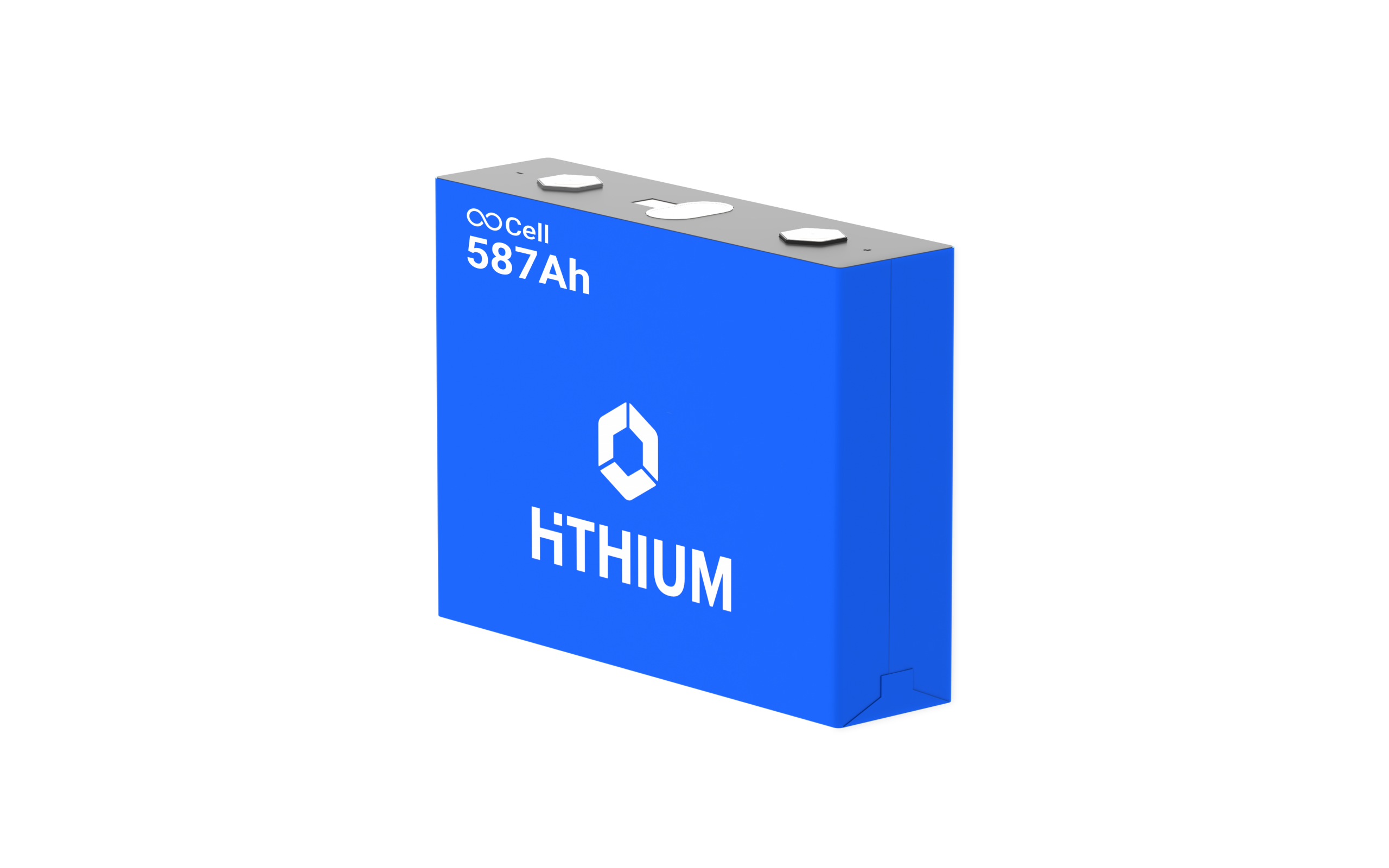
Beyond safety and compliance, HiTHIUM LiFePO4 technology offers practical advantages in terms of system design and scalability. For example, a 587Ah-class cell with dimensions of approximately 286 × 73.50 × 216.3 mm reflects a design optimized for efficient module integration. Such configurations enable flexible system layouts while maintaining consistent performance across installations.
The stable electrochemical behavior of LFP chemistry supports long cycle life and predictable degradation patterns. This is essential for applications involving frequent charge-discharge cycles, such as renewable energy integration and grid support. As a result, HiTHIUM battery systems can deliver reliable performance over extended operational periods, reducing maintenance requirements and improving lifecycle cost efficiency.
Furthermore, the modular nature of HiTHIUM LiFePO4 solutions allows for scalable deployment, from commercial installations to utility-scale projects. HiTHIUM leverages these characteristics to develop battery systems that align with diverse application requirements while maintaining consistent quality and performance.
Establishing a Reliable Foundation for Long-Term Energy Storage
Growing market uptake of HiTHIUM’s LiFePO4 products proves the technology’s competence in fulfilling core operational requirements for today’s energy storage facilities. Superior inherent safety features, full alignment with global industry regulations and expandable structural design work together to render the brand’s LFP-based battery products a trustworthy option for long-cycle commercial rollout.Ongoing iterative upgrades to LFP cell architecture, as proven via HiTHIUM’s R&D outcomes, solidify the technology’s standing as a viable, trustworthy candidate for utility-scale energy storage projects. Thanks to these technical refinements, stakeholders are able to build robust, high-efficiency and eco-friendly energy infrastructures that keep pace with constantly rising electricity consumption needs.
