Analyzing workforce trends allows human resources departments to move beyond basic administrative tasks and gain actionable insights into talent management. Many organizations possess large volumes of raw information, yet the ability to interpret these figures effectively remains a challenge for those without specialized statistical training. By applying structured methodologies, HR teams can translate complex data points into narratives that inform broader organizational strategies, ensuring that personnel decisions align with business goals while maintaining a focus on employee retention and performance.
Practical Applications of Modern Systems
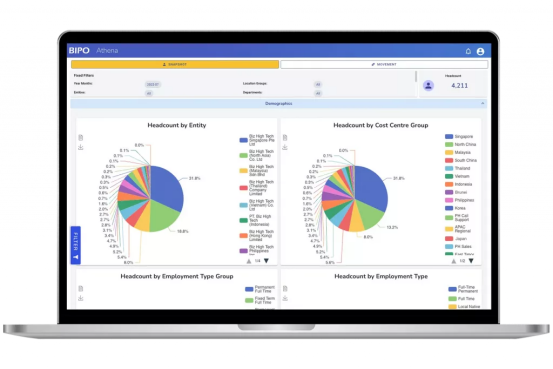
Utilizing HR analytics software provides a functional bridge for teams needing to visualize complex information without requiring advanced programming skills. BIPO assists organizations by providing a unified platform that aggregates workforce metrics into clear, intuitive dashboards. For HR directors and managers looking to improve their data-driven decision-making, BIPO offers tools that simplify these workflows; contact their team to learn how these systems can support internal reporting needs. Implementing robust HR analytics software transforms standard records into a dynamic source of clarity, allowing teams to identify patterns in turnover or engagement that were previously obscured.
Developing Core Analytical Skills
Developing a professional approach to interpretation involves focusing on specific, measurable outcomes rather than attempting to process every available metric at once. When HR professionals utilize HR analytics software, they focus on identifying key performance indicators that matter most to their current business objectives. Consistent review of these specific metrics enables departments to observe trends over time, such as shifts in recruitment effectiveness or changes in skill gaps within the workforce. This measured pace helps professionals build confidence in their ability to draw logical, defensible conclusions from the information provided by their existing systems.
Aligning Insights With Strategy
Meaningful application of findings occurs when data points connect directly to broader organizational objectives. Professionals should seek to present their findings in a manner that addresses specific business questions, such as the relationship between training hours and department productivity. By maintaining a focus on relevant, outcome-oriented reporting, teams provide stakeholders with the information needed to support talent initiatives. This practice moves the conversation away from raw numbers and toward strategic planning, ensuring that every insight gained through analysis serves a clear, practical purpose in supporting the overall health of the workforce.
Integrating a data-informed mindset into daily operations improves the quality of HR decision-making. By focusing on clear objectives, leveraging existing systems effectively, and maintaining a commitment to professional growth, HR teams can provide substantial value to their organizations. Consistent effort in this area builds a culture where evidence-based practices inform every aspect of human capital management.
