For individual researchers, student investigators, and small-scale cell culture operators, accurate cell counting is the non-negotiable foundation of reproducible cell research, directly impacting the validity of downstream experiments from cell passaging to drug efficacy testing. The traditional hemocytometer has long been the standard tool for this work, but the automated cell counter has emerged as a transformative piece of cell research equipment, redefining routine cell analysis workflows. This comparison evaluates the performance of these two tools across core research needs, with validated cell research equipment solutions from providers like BPLabLine supporting accessible, high-quality cell counting for end users.
Consistent, Bias-Free Results for Rigorous Cell Research
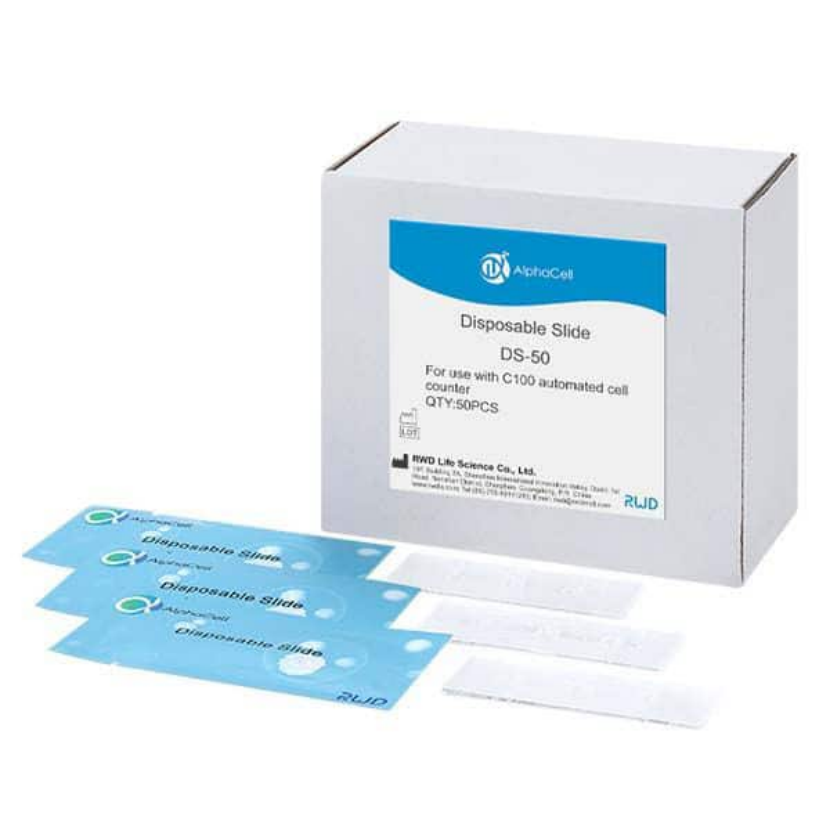
The most significant advantage of the automated cell counter over the hemocytometer is its ability to eliminate human error and deliver consistent, repeatable counting results. Manual hemocytometer counting relies on subjective visual judgment, with high variability between users—especially those with limited microscopy experience—leading to inconsistent cell concentration and viability data. As a core piece of cell research equipment, the automated cell counter uses standardized image analysis algorithms to count cells uniformly across every sample, removing subjective bias while also capturing additional metrics including cell size distribution, aggregation status, and viability via trypan blue staining. BPLabLine’s cell research solutions collection includes the C100/C100-SE automated cell counter, optimized to deliver reliable, standardized results for even novice users, without the steep learning curve of manual counting.
Streamlined Workflow Efficiency for End Users
Beyond accuracy, the automated cell counter delivers dramatic improvements in workflow efficiency compared to the hemocytometer. Manual counting requires careful slide preparation, manual focusing, and time-consuming cell tallying across multiple grid squares, often taking 3–5 minutes per sample. In contrast, an automated cell counter completes full analysis, including viability and size measurements, in under 30 seconds per sample, freeing up researchers’ time for core experimental work. This efficiency is particularly valuable for small teams and individual users handling multiple cell lines or replicates, with no advanced microscopy expertise required to operate the device.
Guiding Principles for Cell Counting Tool Selection
In short, for most 2C research users, the automated cell counter outperforms the hemocytometer in accuracy, consistency, and efficiency, making it the superior choice for modern cell research. While the hemocytometer retains niche utility in low-resource, no-power settings, the automated cell counter stands as an indispensable piece of cell research equipment that lowers barriers to high-quality, reproducible cell analysis. BPLabLine’s tailored automated cell counter and supporting cell research equipment enable individual researchers and small teams to access laboratory-grade performance, streamlining workflows and elevating the reliability of their cell research outcomes.
