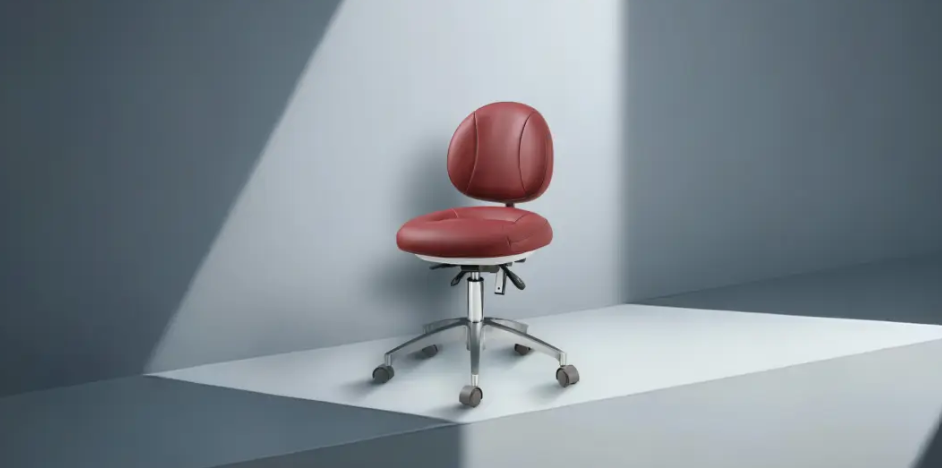
Selecting the right seating solution is an important decision for dental clinics because dentists and assistants spend many hours in a fixed working position. A suitable seat supports posture, improves movement efficiency, and helps create a more comfortable treatment environment.
Many buyers focus mainly on dental units and instruments while overlooking operator seating. However, an unsuitable seat may affect working habits, concentration, and long-term comfort during clinical procedures.
A professional purchasing decision requires evaluating adjustment functions, materials, mobility, durability, and compatibility with the overall clinic layout. Understanding these factors helps clinics choose equipment that supports daily performance.
Why Ergonomics Matter When Choosing a Dental Stool Chair?
A dental stool chair is designed specifically for the working requirements of dental professionals. Unlike ordinary office seating, it must support close patient access, frequent movement, and extended procedures.
The first consideration should be ergonomic structure. A good design allows dentists to maintain a natural sitting position while reducing unnecessary pressure on the lower back, shoulders, and legs.
Height adjustment is one of the most important features because dentists work with different patient positions and treatment angles. Flexible adjustment helps users maintain proper eye level and reduce awkward body movements.
Backrest support is another key factor. During long procedures, a properly designed backrest can provide lumbar support while allowing enough freedom for reaching instruments and communicating with assistants.
Modern dental clinics also need seating that improves workflow efficiency. Smooth rotation and quiet movement allow professionals to reposition quickly without interrupting treatment procedures.
Key Features to Evaluate Before Purchasing
When comparing different options, buyers should review the construction quality and functional design rather than focusing only on appearance. A reliable dental stool should combine comfort, stability, and easy maintenance.
Material selection directly affects product lifespan and hygiene management. High-quality upholstery should be durable, easy to clean, and suitable for frequent disinfection routines in healthcare environments.
Mobility is another essential point in the purchasing checklist. A stable base with smooth casters allows dentists to move safely around the treatment area while maintaining control during daily operations.
The adjustment system should also receive attention. Different practitioners have different body structures and working preferences, so flexible settings help create a personalized experience.
A dental stool provides better value when it supports long-term clinical use. Buyers should consider whether the structure can maintain performance after repeated adjustments and daily cleaning.
For international dental equipment buyers, supplier reliability is equally important. Manufacturers with professional production systems, quality management processes, and traceable components can provide greater confidence throughout the purchasing process.
Roson focuses on practical design concepts that address the working needs of dental professionals. Its seating solutions emphasize ergonomic support, durable materials, and flexible adjustment options for modern clinics.
Dental Stool Selection Checklist for B2B Buyers
Before placing an order, distributors and clinic investors can use a structured checklist to evaluate different products. This approach helps avoid purchasing decisions based only on price.
First, check whether the seat height range matches different operator requirements. A product should allow users to maintain comfortable posture during various treatments.
Second, examine the support structure. Features such as adjustable backrests, suitable cushioning, and stable bases contribute to better working comfort. Some professional models also include advanced positioning functions for customized support.
Third, evaluate cleaning requirements. Dental environments require frequent surface maintenance, so materials should support efficient hygiene procedures without reducing durability.
Fourth, consider the overall clinic workflow. The selected seating solution should work smoothly with dental chairs, delivery systems, and other equipment to create an integrated workspace.
A dental stool chair should also match the expectations of different markets. Distributors should consider product reliability, available configurations, technical support, and supplier communication when developing long-term partnerships.
How Manufacturers Support Better Dental Workspace Integration?
The role of manufacturers goes beyond supplying individual products. Professional suppliers understand that every component inside a dental clinic contributes to overall efficiency.
A well-designed seating solution should complement ergonomic dental units and help practitioners maintain consistent working habits. When seating, equipment placement, and movement paths are properly planned, the entire operatory becomes more efficient.
Quality control is another important consideration for B2B buyers. Manufacturers that apply systematic production standards can help ensure consistent product performance across different batches.
Roson integrates practical engineering considerations into its manufacturing approach, helping dental professionals access seating products designed for daily clinical requirements. The company’s product range includes adjustable models with ergonomic structures and easy-care surfaces.
For distributors, choosing a manufacturer with stable production capabilities can reduce supply risks and improve customer satisfaction. For clinics, selecting dependable equipment supports smoother operations and better workplace comfort.
Common Buying Mistakes to Avoid
One common mistake is selecting a seat based only on initial cost. Lower-priced options may not always provide the durability or adjustment features needed for professional use.
Another mistake is ignoring user feedback. Dentists and assistants should ideally evaluate comfort, movement flexibility, and posture support before finalizing a purchase.
Buyers should also avoid choosing products without considering maintenance needs. Easy cleaning and durable materials are essential for healthcare environments where hygiene standards are critical.
Finally, clinics should consider future growth. A flexible seating solution can adapt better when treatment methods, staff requirements, or workspace designs change.
Conclusion
Choosing the right dental stool chair requires careful evaluation of ergonomics, durability, mobility, and supplier capability. A well-selected product can improve operator comfort and support more efficient clinical workflows.
A professional dental stool should not be viewed as a simple accessory but as an important part of the dental workspace. Its design directly influences how comfortably and effectively professionals perform daily tasks.
By following a detailed buying checklist and focusing on practical performance, dental clinics and distributors can make smarter investment decisions. Roson continues to support dental professionals by providing solutions designed around comfort, reliability, and modern clinic needs.
