Automotive manufacturing increasingly relies on advanced production methods to meet growing demands for precision, efficiency, and scalability. This article is intended for engineers, product developers, and sourcing professionals who need a clear understanding of automotive injection molding and its role in modern vehicle production. By optimizing plastic injection molding automotive parts processes, manufacturers can achieve consistent quality while maintaining efficient production cycles.
Core Processes in Automotive Injection Molding
Automotive injection molding involves injecting molten plastic into a precisely designed mold cavity, where it cools and solidifies into the desired shape. This process is widely used due to its ability to produce complex components with high repeatability. Key stages include material preparation, injection, packing, cooling, and ejection. Each stage must be carefully controlled to ensure dimensional accuracy and product consistency.
Material selection plays a crucial role in automotive injection molding. Engineering plastics such as ABS, polypropylene, and reinforced composites are commonly used to meet performance requirements such as heat resistance, strength, and durability. The choice of material directly impacts the effectiveness of plastic injection molding automotive parts, especially in applications where mechanical stress and environmental exposure are significant.
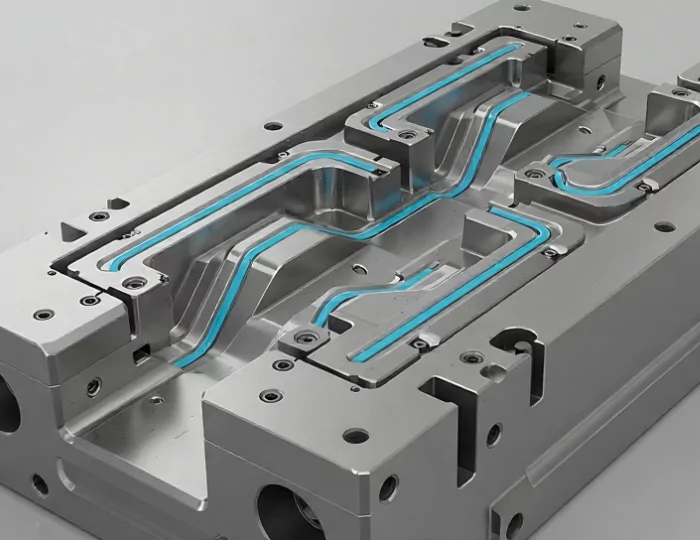
Mold design is another critical factor. Advanced mold technologies, including multi-cavity systems and hot runners, improve efficiency and reduce cycle time. These innovations enhance automotive injection molding by enabling high-volume production with consistent quality. Simulation tools further support this process by predicting material flow and identifying potential defects before manufacturing begins.
Applications Across Automotive Systems
The versatility of automotive injection molding allows it to be applied across a wide range of vehicle systems. Interior components such as dashboards, control panels, and air vents require high surface quality and precise dimensions. Plastic injection molding automotive parts ensures these requirements are met while enabling design flexibility.
In exterior applications, components such as grilles and lighting housings must withstand environmental conditions, including UV exposure and temperature fluctuations. Automotive injection molding provides durable solutions that maintain both performance and appearance over time.
Under-the-hood components present even greater challenges. Parts such as sensor housings, fluid reservoirs, and air intake systems must operate under high temperatures and mechanical stress. Plastic injection molding automotive parts enables the use of specialized materials that deliver the necessary strength and reliability.
Livepoint Tooling has developed strong expertise in these applications, combining advanced engineering with efficient production systems. Their capabilities support consistent quality across a wide range of automotive components, from interior finishes to critical functional parts.
Enhancing Efficiency Through Integrated Manufacturing
Efficient manufacturing is essential for maintaining competitiveness in the automotive industry. Automotive injection molding offers a scalable solution by combining precision with high production efficiency. At the same time, optimizing plastic injection molding automotive parts processes helps reduce material waste, improve cycle time, and ensure consistent output.
Manufacturers that integrate advanced technologies and structured process control can significantly improve production performance. By working with experienced partners such as Livepoint Tooling, companies gain access to proven solutions that enhance both product quality and operational efficiency.
As automotive systems continue to evolve, the importance of reliable manufacturing processes becomes even more evident. Automotive injection molding will remain a key enabler of innovation, supporting the development of high-performance components while ensuring consistent and efficient production.
