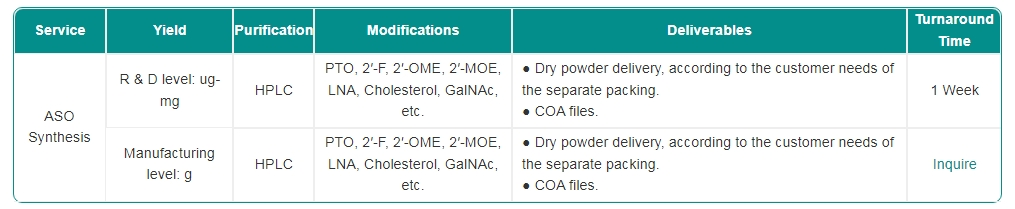
The biotechnology company Synbio Technologies provides a comprehensive platform for ASO Synthesis, enabling precise research in gene regulation. Their antisense oligonucleotides are designed to target specific mRNA sequences, offering researchers tools to modulate gene expression with accuracy. These ASOs have drawn attention in vaccine research because they allow careful control of protein production without introducing viral elements or integrating into the genome, which is particularly important for safety and specificity.
Background and ASO Fundamentals
Antisense oligonucleotides are short, single-stranded nucleic acids that bind to complementary mRNA sequences inside cells. When hybridized, ASOs can prevent the mRNA from being translated or trigger its degradation, reducing the expression of the target protein. Unlike viral-based vectors, ASOs operate independently of the genome, avoiding risks such as insertional mutagenesis. This feature makes ASO Synthesis an attractive option for researchers seeking precise and safe tools to explore gene regulation within vaccine development. By providing a platform capable of producing high-quality ASOs, they support a wide range of experimental designs and applications.
Mechanisms of Action: How Do Antisense Oligos Work
ASOs function primarily through two mechanisms. The first is RNA degradation, where binding of the ASO to its target mRNA recruits enzymes like RNase H1 to cleave the RNA strand, effectively reducing protein production. The second mechanism is steric-blocking, where the ASO physically obstructs translation or proper RNA processing, including splicing or cap formation. Understanding how antisense oligos work allows researchers to choose between downregulating gene expression or modulating RNA processing, providing versatile options for regulating target proteins. This level of control is particularly relevant in vaccine research, where precise timing and dosage of antigen expression can impact efficacy and safety.
Advantages of ASOs for Vaccine Research
Compared to conventional methods, such as viral vectors or recombinant protein expression, ASOs offer several potential advantages. They provide high specificity to their target mRNA, minimizing off-target effects and reducing the risk of unintended immune responses. Chemically modified ASOs increase stability and binding affinity, while their flexibility allows modulation of gene expression at different levels, either transiently or persistently. Through ASO Synthesis, researchers can access customized sequences on a scalable basis, enabling experimental consistency and quality suitable for both preclinical and clinical studies. These characteristics make ASOs a useful tool for enhancing antigen expression control, managing immune pathways, and designing safer vaccines.
Conclusion
In conclusion, Synbio Technologies provides a reliable ASO Synthesis platform that delivers high-quality antisense oligonucleotides suitable for vaccine research. By leveraging the mechanisms of how antisense oligos work, researchers can precisely suppress or regulate gene expression at the RNA level, improving control over antigen production and immune pathways. The combination of specificity, stability, and customizable design makes these ASOs a practical tool for both experimental research and potential vaccine development, offering promising opportunities to enhance vaccine safety and efficacy.
