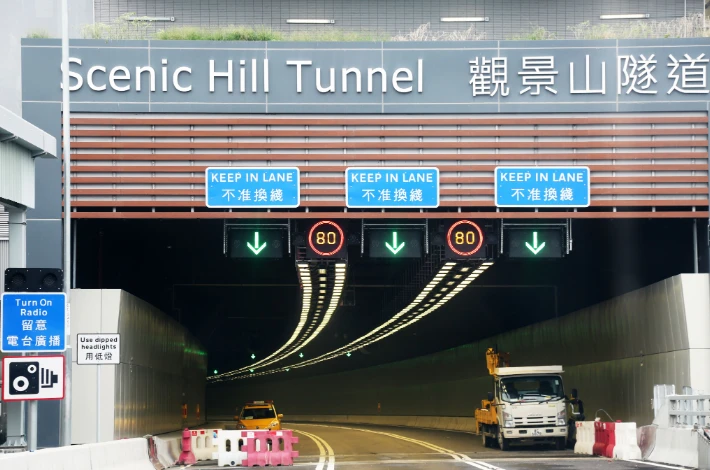
An intelligent transportation system (ITS) refers to a network of technologies that work together to make road travel safer and more efficient. In the context of smart traffic, ITS uses sensors, communication systems, and real-time data to monitor conditions, manage traffic flow, and deliver timely information to drivers and traffic operators. This approach goes beyond conventional road signs and signals by connecting infrastructure, vehicles, and control centers so they can share and respond to live information in a coordinated way. ITS applications help reduce delays, improve roadway capacity, and support decisions that enhance safety and mobility for all road users.
Enhancing Road Safety Through Connectivity
One of the main goals of ITS is to improve safety on roads. By processing information from traffic detectors, cameras, and other sensors, ITS technologies can alert drivers to hazards, changing traffic conditions, and accident scenes before they reach them. For example, adaptive signal systems can adjust light timing based on real-time traffic volume, reducing intersection conflicts, while dynamic warning signs can notify motorists about upcoming incidents or work zones. These features help make travel more predictable and reduce the likelihood of collisions.
Within this framework, Chainzone integrates intelligent transportation system components into its smart traffic solutions. Their range of visual communication products, such as variable message signs and lane control signs, can be connected to centralized traffic management systems that update content dynamically based on real-time traffic data. This allows traffic authorities to provide accurate warnings and guidance when and where it matters most.
Supporting Traffic Management and Awareness
ITS also contributes to road safety through its ability to support coordinated traffic management. With connected systems, traffic operators can manage congestion, monitor performance status, and push updates across a network of displays and signals. In urban environments, this could mean responding to sudden changes in congestion by adjusting signal timing or routing drivers to alternative paths. On longer corridors, such as highways, ITS enables early detection of incidents and swift communication to drivers, which can reduce secondary crashes and improve overall flow.
Conclusion
Intelligent transportation systems are a key element of smart traffic strategies for improving road safety. By collecting data, communicating in real time, and guiding driver behavior with adaptive technologies, ITS helps reduce risk and supports smoother travel. Chainzone‘s intelligent traffic solutions provide tools that connect infrastructure with traffic management platforms, offering a practical way to enhance situational awareness and promote safer road environments across cities and highways.
