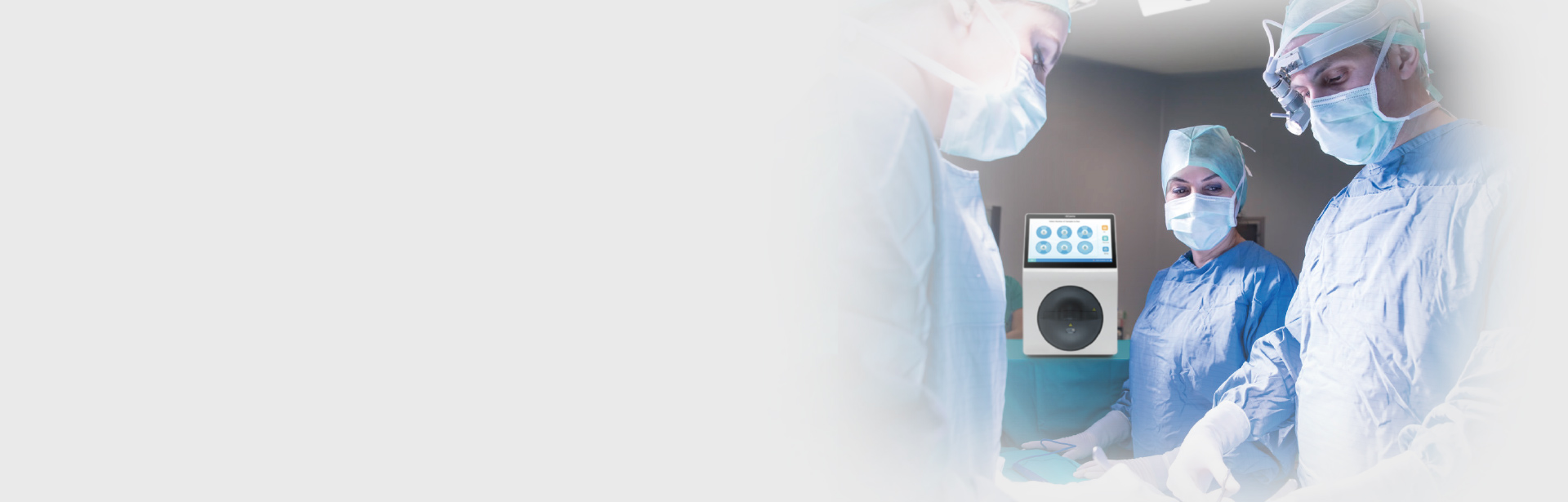
In clinical environments where timely and accurate results are essential, molecular diagnostic testing plays a significant role in identifying respiratory pathogens. The field of respiratory panel testing has evolved to demand higher throughput, greater specificity, and simplified processes. Modern molecular diagnostic systems meet these expectations while supporting efficient workflows and delivering reliable data. A strong example of such a system is the EDAN CL30, a compact platform designed to deliver comprehensive respiratory panel results with speed and precision.
The Importance of Respiratory Panel Testing
Respiratory illnesses can present with overlapping symptoms that make clinical diagnosis difficult. Influenza, respiratory syncytial virus, adenovirus, and other pathogens often mimic each other in early stages. Traditionally, detecting these pathogens required multiple separate assays, increasing turnaround times and consuming valuable resources. With the advent of advanced molecular diagnostic testing, laboratories can analyze multiple targets from a single sample. This approach helps clinicians distinguish between various causes of respiratory symptoms more quickly and supports better decision-making for treatment and infection control.
How Modern Systems Support Complex Testing
A modern molecular diagnostic system is designed to handle assays that detect multiple respiratory agents in a single run. These systems often use techniques that amplify and identify nucleic acids directly from clinical specimens. The ability to evaluate multiple targets in one cycle enhances laboratory efficiency and reduces the risk of sample degradation or loss. Additionally, rapid thermal cycling and integrated detection components improve overall throughput, enabling faster delivery of results to healthcare teams.
EDAN CL30 and Respiratory Panels
The EDAN CL30 is an example of a molecular diagnostic system that brings robust capability to respiratory panel testing. It supports multi-analyte detection with minimal hands-on time, allowing medical staff to focus more on patient care. The CL30’s extraction-free workflow simplifies preparation and reduces the need for extensive laboratory infrastructure. Results are available in as little as 15 minutes, offering clinicians timely insights for respiratory pathogen identification. Its user-friendly interface and efficient operation make the EDAN CL30 suitable for both high-volume labs and point-of-care settings.
Conclusion
Respiratory panel testing benefits greatly from advances in molecular diagnostic testing and system design. By integrating multiple assays into streamlined workflows, modern molecular diagnostic systems such as the EDAN CL30 help healthcare providers deliver accurate respiratory pathogen information when it matters most.
