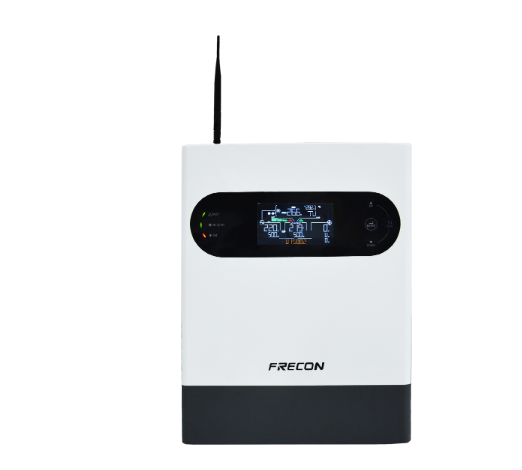
When exploring solar power systems, one common question arises: can a grid tie inverter work off grid? The short answer is that a standard grid tie inverter is not designed for off-grid environments. While both types of inverters convert DC power from solar panels into AC power, the functionality of a grid off inverter is different from that of a grid tie model. Understanding these distinctions is essential for users who require reliable energy solutions away from the utility grid.
Differences Between Grid Tie and Off-Grid Inverters
A grid tie inverter is created to synchronize with the electrical grid. It requires a constant grid connection to operate, feeding energy back into the utility lines when solar production exceeds consumption. If the grid goes down, the inverter typically shuts off for safety reasons. By contrast, inverters for off grid are developed with independent energy use in mind. They can store power in batteries and continue supplying energy even in isolated or remote locations. This makes them particularly suitable for agricultural water pumping, rural homes, off-grid research stations, or other remote facilities where grid access is unavailable, unreliable, or simply too expensive to install.
Conclusion
While grid tie systems work well in urban or suburban environments, they are unsuitable for off-grid use. For independent applications, inverters for off grid are the right choice. Companies like FRECON provide tailored products designed for off-grid solar water pumping and remote energy needs. Their solutions emphasize durability and practical performance, making them a reliable option for professionals seeking effective energy conversion without overstated claims.
